

 by Casacito
As Africa experiences rapid urbanization and population growth, the demand for sustainable and eco-friendly housing has never been greater. Climate change, energy crises, and environmental degradation are pressing concerns that necessitate a shift toward green living. Eco-friendly homes are emerging as the future of African real estate, providing sustainable solutions that benefit homeowners, communities, and the planet. Here’s why green living is revolutionizing the housing market across the continent.
1. SUSTAINABLE ENERGY SOLUTIONS
One of the most compelling reasons for adopting eco-friendly homes in Africa is the continent’s abundant renewable energy resources. With over 300 days of sunshine in many regions, solar power is a game-changer in sustainable housing. Homeowners are increasingly investing in solar panels, reducing reliance on inconsistent national grids and lowering electricity bills. Additionally, innovations such as wind and hydropower are being incorporated into modern housing developments, ensuring a reliable and eco-conscious energy supply.
2. REDUCED ENVIRONMENTAL IMPACT
Traditional construction methods often lead to deforestation, excessive water consumption, and significant carbon emissions. Eco-friendly homes, however, prioritize the use of sustainable materials such as bamboo, recycled steel, and compressed earth blocks. These materials reduce environmental impact while maintaining structural durability and aesthetic appeal. Green building techniques, such as rainwater harvesting, natural ventilation, and energy-efficient insulation, further promote sustainability and reduce ecological footprints.
3. COST-EFFECTIVE LIVING
While the initial investment in an eco-friendly home may seem higher, the long-term savings make it a worthwhile endeavour. Energy-efficient homes reduce electricity costs through solar panels, LED lighting, and smart appliances. Water-saving technologies, including greywater recycling and low-flow fixtures, further cut down utility bills. In the long run, homeowners save substantial amounts on operational costs while enjoying a healthier and more comfortable living environment.
4. IMPROVED HEALTH AND WELL-BEING
Green homes are designed to enhance the well-being of occupants by reducing exposure to toxins and pollutants. Many conventional homes contain materials with harmful chemicals, such as volatile organic compounds (VOCs) found in paints and adhesives. Eco-friendly homes use natural and non-toxic materials, improving indoor air quality. Additionally, features such as large windows, natural ventilation, and open spaces contribute to mental well-being by creating a harmonious connection with nature.
5. RISING DEMAND AMONG HOMEBUYERS
The real estate market in Africa is evolving, with modern homebuyers seeking sustainable and energy-efficient homes. Increasing awareness of climate change and environmental responsibility has influenced purchasing decisions. Many developers are now prioritizing green building certifications and sustainable designs to attract environmentally conscious buyers. As governments introduce incentives for green construction, the appeal of eco-friendly homes is expected to grow exponentially.
6. GOVERNMENT INITIATIVES AND GREEN BUILDING POLICIES
Several African governments are recognizing the need for sustainable housing and implementing policies to encourage green building practices. Countries like South Africa, Kenya, and Rwanda have introduced eco-friendly building codes and incentives for developers adopting sustainable construction methods. These initiatives include tax breaks, subsidies for renewable energy installations, and mandatory energy efficiency standards. As regulatory frameworks continue to evolve, green homes will become the new standard in African real estate.
7. SMART AND SUSTAINABLE CITIES
The rise of smart cities in Africa is closely linked to the development of eco-friendly housing. Urban centres such as Kigali, Nairobi, and Cape Town are integrating smart infrastructure with sustainable housing solutions. These cities focus on reducing carbon emissions, enhancing public transport, and optimizing energy use. Green homes within smart cities contribute to a sustainable urban ecosystem, setting the foundation for a cleaner and more efficient future.
KEY LEARNINGS
Eco-friendly homes are not just a trend; they are the future of African real estate. With benefits ranging from energy efficiency and cost savings to environmental preservation and improved well-being, green living offers a viable solution for the continent’s growing housing needs. As technological advancements and government support continue to drive sustainable development, eco-friendly homes will shape the future of African cities, ensuring a healthier, greener, and more prosperous tomorrow.
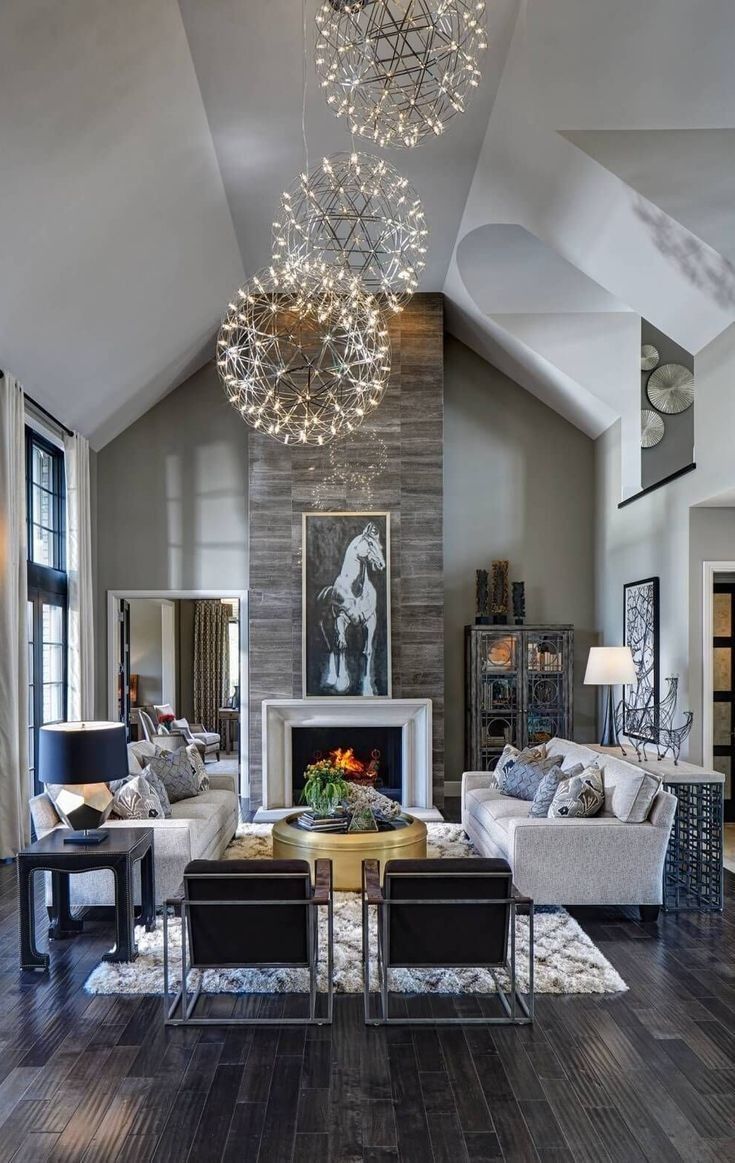
Photo: Getty Images