

 by Casacito

Buying or renting a home is one of the biggest choices people make. A house is more than walls and a roof. It is a place where you live, grow, and build memories. That is why it is important to watch for green flags and red flags before you make any move in real estate.
Green flags are good signs. They show that the home or deal is safe, fair, and worth your money. Red flags are warnings. They tell you something may be wrong, and you should slow down or ask more questions. Knowing the difference helps you avoid stress and save money.
Green Flags in Real Estate
A green flag means you are looking at a good deal. Here are some of the most important ones:
1. Clear and Honest Paperwork
When the landlord, seller, or agent gives you all documents without delay, it is a strong green flag. These papers should include proof of ownership, rental terms, and any needed permits. If everything is clear and easy to understand, it shows they have nothing to hide.
2. Well-Maintained Property
A home that looks neat, safe, and cared for is another green flag. Fresh paint, working taps, strong doors, and no bad smells show the owner takes care of the property. Good care also means the home will last longer and cost you less in repairs. You can explore ideas to improve your home and make it more valuable, and discover what sets a property apart.
3. Good Location and Access
A home near schools, hospitals, or public transport is a plus. Safe streets and active communities also show value. Even if you are only renting, the area can affect your comfort and lifestyle.
4. Energy and Eco-Friendly Features
Today, many buyers look for homes that save energy. Solar panels, good airflow, and water-saving systems are all strong green flags. They cut costs and help the planet. More people now believe that eco-friendly homes are the future of real estate in Africa.

Red Flags in Real Estate
Red flags are warning signs that you should not ignore. Here are some of the most common ones:
1. Missing or Delayed Paperwork
If the seller or agent avoids giving you documents or keeps delaying, this is a red flag. Missing papers could mean the property has legal issues. You may lose your money if you sign without checking.
2. Too Good to Be True Prices
When the rent or sale price is far lower than others in the area, be careful. It may mean the house has hidden problems or the deal is a scam. Always compare prices with other types of homes you can own or rent to be sure.
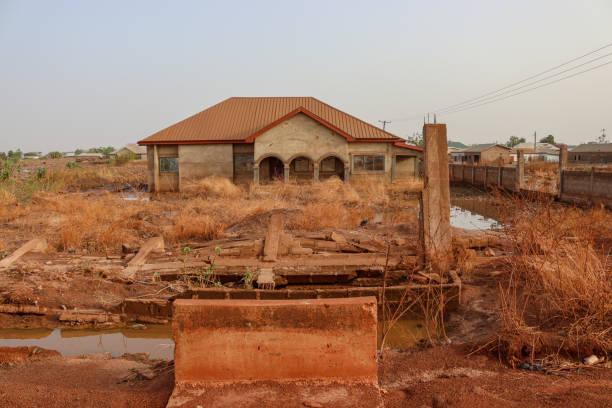
3. Poor Condition of the House
Leaky roofs, cracked walls, weak floors, or pests are all big red flags. If the house appears damaged but the owner is unwilling to repair it, you should consider walking away. Repairs can become costly and unsafe.
4. Rushed Deals and Pressure
If the landlord or agent pressures you to pay quickly without allowing time to inspect the house, it is a warning sign. A trusted seller gives you time to think, ask questions, and even bring an expert for inspection.
Why These Flags Matter
Understanding green and red flags can help you avoid unnecessary stress. A home is a long-term choice. Picking the right one means comfort, safety, and even profit in the future. Ignoring red flags may lead to extra costs, unsafe living, or legal battles.
Always take your time. Visit the home more than once, talk to neighbours, and ask for expert advice when needed. The more careful you are, the better your choice will be.
Final Thoughts
Green flags guide you towards homes that are safe, fair, and worth it. Red flags warn you to slow down and think twice. When you know what to look for, you can find a home that brings peace and joy, not stress.
Real estate is not just about money. It is about comfort, safety, and a place you can truly call home. Whether you are buying, renting, or investing, always watch for the signs. The right home is out there, but only if you choose wisely.
Photos: Getty Images