

 by Casacito
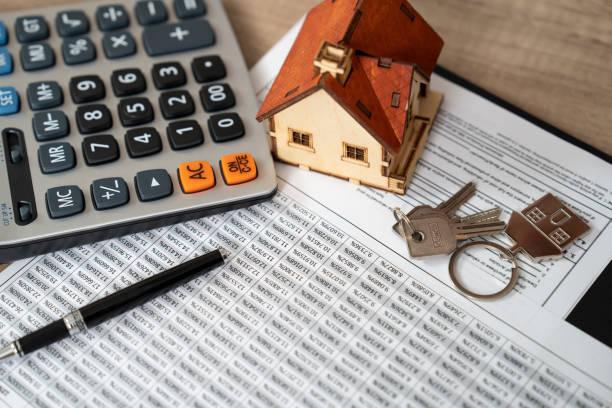
Buying a new home is exciting. You start to imagine how each room will look and how life will feel in your new space. But while you plan, there are quiet costs that can appear along the way. These are not always on the first price tag, yet they can make a big difference if you are not ready for them.
The Little Things Add Up
When you see a house you like, the price on the paper isn’t always the whole story. There are small fees that will be charged later. Things like legal charges, agent fees, and taxes can raise the total cost. Even something as simple as painting or fixing small parts can take longer than you expect.
Before you make a choice, it helps to know what adds value to your home and what only looks good for now. Some updates, like the ones shared in home upgrades, are worth paying for because they make your property stronger and more useful. Others might look nice, but add no real worth in the long run.
Location Comes With a Price
A house in a busy area often costs more, not just to buy but also to maintain. You might pay higher rates for things like waste collection or security. At the same time, a cheaper area may offer fewer services, so that you may spend more on transport or repairs.
Knowing what people value in homes helps you understand why some places cost more. Things like quiet streets, nearby schools, and good roads matter to many home buyers. These small details affect not only how much you pay now but also how much your home will be worth later.
The Cost of Making It Yours
After buying, most people want to make their new space feel like home. That means furniture, paint, and a few fixes. But these can add up faster than expected. A small change, like switching tiles or adding lights, might turn into a big project once you start.
Sometimes, even a “move-in ready” home still needs work. This is why smart home buyers plan a little extra for such things. It is not just about decorating but making sure everything works the way you want.
Fees You Might Not Expect
There are other hidden costs that many forget. You might pay for a surveyor to check the land or an inspection to make sure the house is safe. There can also be small payments to process papers or register the property in your name.
While each payment may seem small, they can all come at once. It helps to keep a list and set money aside for them. That way, nothing takes you by surprise after signing the papers.
Maintenance and Future Costs
Your work does not stop once you move in. Every home needs care. Cleaning, repairs, and utility bills are part of daily living. Older homes may need more attention, while newer ones may have higher service charges, especially in estates or shared buildings.
Even if you are not fixing anything right away, keep a small budget for future costs. A leak or a broken switch may seem minor now, but can worsen later if ignored.
Why Awareness Matters
Knowing about these hidden costs keeps you in control. You make better choices and avoid stress later. It is not about spending less but spending wisely.
When you understand the full cost, you can focus on what truly matters. You want a space that fits your needs and lasts a long time. A home should be both a comfort and a wise investment.
Final Thought
Buying property is not only about the price you see. It is about every small cost that follows. With clear planning and care, you can enjoy your new home without surprise bills waiting after the move.
Image: Getty Images