

 by Casacito
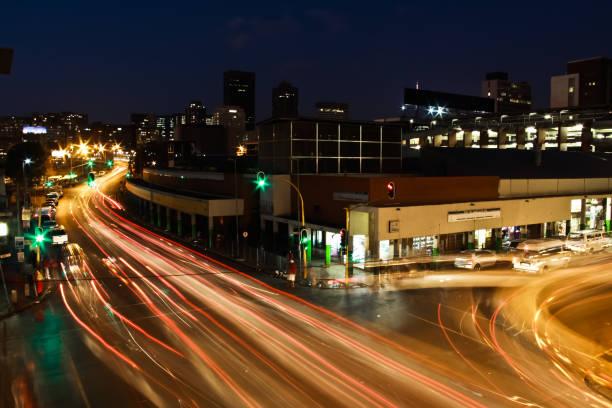
When people think about buying a house, they often look inside first. Fresh paint, shiny floors, and a nice kitchen can make any home look perfect. But what is outside matters just as much. Roads, power supply, water, and drainage can make or break your comfort. A beautiful home loses value quickly if it’s located on a road with poor conditions or poor access.
Looking Beyond the Walls
A home is more than what you see inside. The area around it is what keeps life easy every day. A strong road network means you can move around quickly without worrying about floods or bad traffic. Access to steady water and power keeps your daily routine smooth.
When starting your home search, it helps to use tools that simplify the process. Platforms like Casacito can help you start on the right note. Smart ways to begin your property search include checking the area’s roads, lighting, and nearby services, not just the house’s appearance.
Roads That Lead to Value
Good roads are more than comfort. They mean safety, time saved, and easy access for visitors or deliveries. They also raise your property’s worth. Houses in well-connected areas are easier to rent or sell later.
If the road to a home is bad or often flooded, it can quickly lose appeal. Cars get damaged, and people avoid the area. The best time to check road quality is during the rainy season. It shows how well the drainage works and how stable the ground is.
Access to Essentials
Electricity, water, and waste systems are not fancy extras. They are what make a home livable. When checking a new house, confirm if the power supply is steady and if there is a backup option. A borehole or nearby water system adds peace of mind.
Many savvy homeowners make small changes to boost comfort before moving in. Top renovations that increase property value show how even fixing outdoor lighting or water flow can make a big difference.
Neighborhood Growth and Safety
Infrastructure is not only about roads and pipes. It also includes how safe and connected a place feels. Are there working streetlights? Are schools, markets, and hospitals nearby? These small things add to a neighborhood’s quality and shape how people live.
Areas with growing public spaces, clean streets, and regular maintenance attract more buyers. They also make families feel safe walking, working, or playing outside. When you find such areas, you find lasting value.
Transportation and Connectivity
Easy transport links make life better and homes more valuable. A place near bus stops, train lines, or main roads saves time and fuel. Even if you do not drive, you can move around easily. This is one reason why people often choose to live near major routes or business centers.
In big cities, homes close to transport hubs or main roads are often the first to rise in price. It is not only about moving fast, but also about how accessible your home feels to visitors, clients, or tenants.
Avoiding Common Mistakes
Many buyers focus too much on the inside and forget the outside. They rush to buy without checking if the area has working drainage or a steady power source. These are small but costly mistakes.
To stay on the safe side, remember to look at the whole picture before signing anything. Mistakes to avoid when listing your property for sale also apply when buying. It is about knowing what makes a home worth its price.
Final Thought
When buying a home, never stop at what you see inside. Walls can be painted, and floors can be changed. But fixing roads, power, or water takes time and money. A smart buyer looks beyond beauty and checks what truly supports it.
The strongest homes stand not just on solid ground, but in well-built communities that make daily life easier.
Photo: Getty Images